Roofs rarely fail all at once. They age in layers. Granules wear, sealant chalks, nails loosen a hair at a time, and flashing quietly corrodes behind the scenes. When a leak shows up on a ceiling, the hard part is not stopping the drip. The hard part is deciding whether patching the symptom makes sense or whether the roof has reached the end of its useful life. That judgment call carries real money and, more importantly, long-term risk. After twenty years working as a roofer and project manager for a roofing company, I have learned to ask a set of practical questions before giving advice. The right answer depends on age, material, roof design, weather patterns, code requirements, and your plans for the property.
What a roof is actually doing up there
A typical asphalt shingle roof is a water-shedding system, not a watertight membrane. Each shingle overlaps the next to direct water downhill. Underneath, you have underlayment that offers backup protection and a roof deck, usually plywood or OSB, that needs to stay dry and solid. At penetrations and transitions, sheet-metal flashing handles the heavy lifting: around chimneys, along walls, at valleys, and where slopes meet. Ventilation and insulation below the deck keep temperatures balanced to limit ice dams and reduce heat aging.
Other materials work on the same principles with different tolerances. Standing seam metal sheds water with raised seams and panels that move with temperature. Tile hangs on battens and relies on underlayment beneath. Cedar breathes well and dries fast, but it needs spacing and airflow. Low-slope systems like modified bitumen or TPO behave more like membranes that aim for continuous waterproofing rather than shedding.
Once you understand these layers, you start to see why some leaks point to a small, fixable defect while others reveal systemic wear.
The first pass: age, exposure, and history
Before looking at any shingle, I want three facts.
First, age. If an asphalt shingle roof is under 10 years and leaking, I am hunting for a defect, not a wholesale failure. Between 12 and 20 years, I expect accelerating wear depending on climate, attic ventilation, and shingle quality. Past 20 to 25 years for most three-tab and standard architectural shingles, I assume the clock has run down. Metal can last 40 to 70 years if detailed and maintained. Concrete or clay tile often outlasts the underlayment beneath it, so at 25 to 35 years you might be replacing felt while the tile goes back on.
Second, exposure. South and west faces bake. Coastal homes fight salt. High, open lots get punished by wind. A 15-year-old roof in a shaded Midwestern neighborhood can look like an 8-year-old roof on a Florida ridge near the water. Hail leaves a different footprint than sun. After a hailstorm with one-inch stones, I will often see widespread granule loss that shortens a shingle’s life even if it is not leaking the next day.
Third, history. If a property has seen repeated ice dams, chronic attic condensation, or patchwork from prior owners, the current leak may be the last strand giving way. Conversely, a single top-rated roofer past repair in a chimney saddle that has been quiet for years suggests a localized weak point.
Reading the roof: signs that matter
On site, I read the shingles as if they are speaking. Curling or cupping shows age and heat stress. Bald spots tell me the protective granule layer has worn off, which speeds UV degradation. Smooth, bruised circles from hail say the mat is compromised, even if you need good light to see it. Shingle edges that break when lifted gently indicate brittleness that will complicate any Roof repair.
The metal tells its own story. Step flashing that stops halfway up a wall is an install error. Counterflashing tucked too tight into mortar joints often splits the joint later. In valleys, I sometimes find nail heads exposed right in the water channel, an invitation for trouble. Rubber pipe boots crack between year eight and year fifteen unless upgraded to metal or silicone collars. Skylight cladding can weep from a single bad rivet.
Inside the attic, I look for daylight at ridges, the smell of must, and staining patterns on the underside of the deck. Rusted nails, called nail pops or shiners, drip when warm indoor air condenses in cold weather. Dark, irregular stains near the eaves point toward ice dam back-up rather than rain penetration. Decking that deflects underfoot is not a candidate for endless spot patches.
When the evidence stacks up, a decision path starts to form.
When a targeted repair is the smart play
A good Roofing contractor can make a leak vanish with a modest, well-aimed repair. The key is whether the surrounding system still has life left. Two quick stories illustrate the point.
A homeowner called after noticing a coffee-colored ring on a bedroom ceiling during a spring storm. The roof was nine years old, high-quality architectural shingles, with good attic ventilation and little tree cover. On the roof, I found a PVC plumbing vent with a cracked neoprene boot. The shingles around it were pliable, granulated, and unremarkable. We replaced the boot with a metal base and silicone sleeve, reset the shingles, and the problem never returned. The total was a few hundred dollars, not thousands.
Another job involved wind-driven rain at a sidewall where a new deck tied into the house. The contractor who built the deck lapped siding over the original counterflashing, trapping water. We removed two courses of siding, replaced step and counterflashing correctly, and reinstalled the siding with a proper kick-out flashing at the end of the gutter. Costly for a “leak,” but nowhere near a Roof replacement, and it restored the original design intent.
Use a repair when the roof is otherwise healthy, the defect is clear, and the material still behaves. Repairing brittle, end-of-life shingles often causes more damage than it fixes. If you have to tear into five square of roof to address a one-square problem because the shingles disintegrate, that is a hint the roof is ready to be replaced.
Here is a concise checklist I use on site for repair-friendly situations:
- Roof age comfortably within expected lifespan for the material Clear, identifiable failure point such as flashing, boot, or one wind-lifted area Shingles or panels remain flexible and intact during gentle lifting Decking firm underfoot with no widespread soft spots No pattern of multiple leaks in different areas over the past two years
When replacement is the better investment
Replacement enters the conversation when the roof’s protective layers have broadly worn out or when enough individual failures add up to a systemic problem. It is not only about leaks. It is about risk, ongoing maintenance cost, and, sometimes, warranties and insurance.
Think of a 20-year-old three-tab shingle roof that has seen two hailstorms and a dozen winter ice events. Even if only two rooms have stained ceilings, the shingles will show granule loss across all slopes, sealant strips that no longer hold in wind, and nails that can pull because the mat is brittle. Repairing the two visible leaks may prevent this month’s stain, but the next storm arrives with a new failure point. At that stage, you spend good money chasing defects as they appear. The roof is telling you it is done.
With tile, the signal is different. I have replaced underlayment on 30-year-old concrete tile roofs while reusing most of the tile. The tiles were fine, but the 30-pound felt below had dried and cracked. Rain pushed by a coastal storm found a path. It takes careful labor to lift, stage, and relay tile, and the cost can approach a full replacement with new tile. Yet in historic neighborhoods or where the tile has aesthetic or HOA value, that underlayment replacement is the right call.
Here are the cues that push me toward recommending Roof replacement:
- Age or condition suggests limited remaining service life with increasing defects Widespread granule loss, curling, or brittleness that makes repairs destructive Multiple leaks across different areas in the last few seasons Decking damage or ventilation issues that require access across large sections Manufacturer or workmanship warranty leverage with a full Roof installation
Cost realities and how to frame the decision
Talking numbers helps anchor the choice. Prices vary by region, complexity, and season, but most homeowners appreciate ballparks to weigh Roof repair against Roof replacement.
For asphalt shingles in many markets, simple repairs land between 300 and 1,200 dollars per incident. Flashing rebuilds at chimneys or sidewalls can run 800 to 2,500 dollars depending on masonry work and access. A full replacement on a one-story, walkable, 2,000-square-foot home often falls in the 8,000 to 18,000 dollar range for standard architectural shingles. Steep pitches, multiple stories, lots of facets, skylights, and complex flashing can push totals to 20,000 to 35,000 dollars or more. Premium shingles, standing seam metal, or tile change the scale: metal might be 18 to 40 dollars per square foot installed, tile can exceed that when structural and underlayment upgrades enter the picture.
The math changes further with insurance. After hail or wind with storm-date documentation, insurers sometimes cover Roof replacement when a Roofing contractor documents functional damage across slopes. Replacement cost value policies reimburse full like-kind cost after you complete the work, while actual cash value policies deduct depreciation. When only one or two slopes are damaged, local codes and manufacturer requirements may dictate replacing adjoining slopes to maintain continuity and warranty. An experienced roofer will know how to photograph correctly, write a scope in industry-standard software, and explain why certain items like starter courses, ridge caps, and drip edge belong in the estimate.
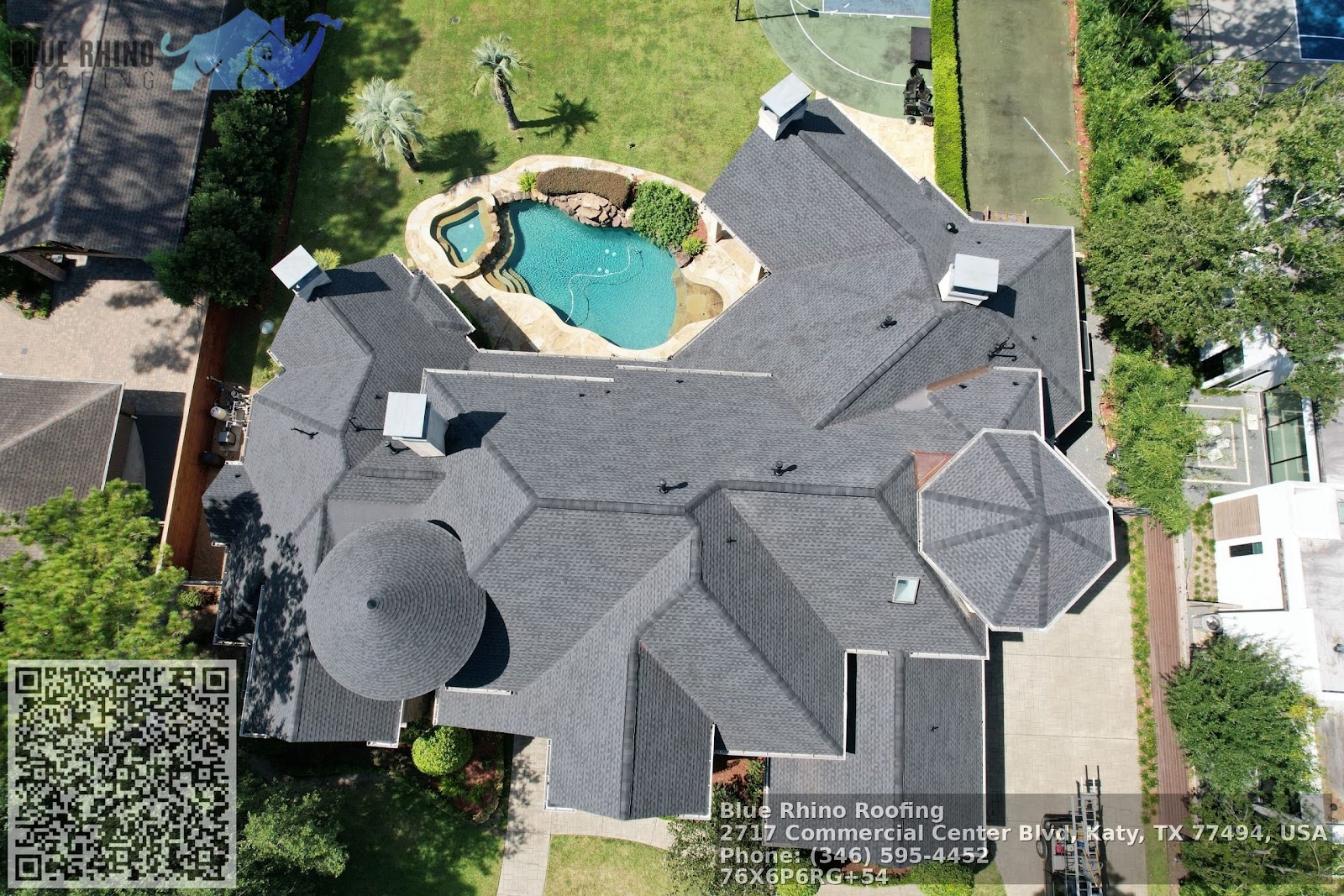
If the roof is marginal and you plan to sell soon, transparency matters. Some buyers will accept a credit for Roof replacement in lieu of a hasty overlay. Others prefer you complete the Roof installation with a transferrable workmanship warranty from a reputable Roofing company. In my experience, a new roof returns most of its cost in sale price in many markets, especially when the old roof is visibly aged. It removes an objection that can be worth more than the dollars on paper.
Tear-off, overlays, and what the code says
People ask whether they can add a second layer of shingles to save money. It is legal in some jurisdictions under specific conditions, and it does save labor and disposal costs. I rarely recommend it. A second layer hides deck condition, adds weight, and, most importantly, creates heat that ages shingles faster. It also reduces the definition at ridges and valleys, which can worsen water shedding in heavy rain. If your old roof shows unevenness, the new layer will telegraph those waves. Most manufacturer warranties are shorter or voided on overlays. Several building codes and many insurers will not allow a third layer at all, and most Roofing contractors will not install one for liability reasons.
Full tear-off lets us inspect the deck, replace rotten or delaminated sheets, re-nail to current code, add proper ice and water shield at eaves and valleys, and correct ventilation. If you have ever opened a roof and found half-rotten tongue-and-groove boards because a bathroom fan exhausted into the attic for 15 years, you understand why tear-off changes outcomes. The cost difference up front pays off in service life and peace of mind.
Materials and their decision paths
Asphalt shingles remain the default for good reasons: cost, versatility, and a decent lifespan in most climates. Architectural shingles handle wind better than old three-tabs, and impact-rated options help in hail-prone regions. If you expect to stay in the home for 20 years and prefer to keep initial cost lower, a high-quality architectural shingle with proper underlayment, metal flashings, and ridge ventilation is a sensible Roof installation.
Metal suits complex roof lines with long valleys and low-maintenance goals. It sheds snow, resists wind, and reflects heat when finished in light colors with high solar reflectance. It shines on cabins under trees where branch scuffs would beat up shingles, and it handles wildfire ember exposure better than many materials. But metal demands skill and precision. The Roofing contractor must design for thermal movement so panels expand and contract without oil canning or tearing fasteners. The price premium and noise concerns in rain, despite modern underlayments, are real trade-offs.
Tile lives a long life and carries distinct curb appeal. The underlayment becomes the service item on many tile roofs, so maintenance cycles look different than shingles. The structure must support the tile load, which can exceed 8 to 12 pounds per square foot. On older homes, that may require engineering and framing upgrades during replacement. When a tile roof leaks in small areas, targeted underlayment patches can work, but widespread underlayment failure calls for a staged, methodical lift and relay.
Cedar is beautiful and breathes, which helps in damp climates. It also needs spacing to dry between rains and will age to gray. In heavily wooded lots, cedar can mold or host moss. Repairs are accessible for a skilled roofer, but the material demands regular care.
Flat or low-slope sections attached to pitched roofs deserve special attention. If a leak shows up where a shallow porch roof meets a steeper main house, the detail matters as much as the material. Modified bitumen, TPO, or PVC membranes behave differently than shingles. Many Roof repair calls trace back to a shingle run flattened too far or a membrane tie-in done without proper termination bars and counterflashing. Expect to treat these as separate systems in your decision. Often, replacing a tired low-slope membrane makes sense while leaving a healthy main roof alone.
Timing, weather, and logistics
Repair timelines are short. A Roofing company can often fit in a boot or flashing replacement between larger projects, especially in shoulder seasons. Replacement depends on backlog and weather. In hot markets, lead times can run two to six weeks for standard shingles, longer for special-order metal colors or tile profiles. Crews work around wind and precipitation. Good roofers avoid tearing off more than they can dry-in by evening. If you see a crew peel half your roof at noon with storms brewing, ask questions.
Permits and inspections vary. Many municipalities require permits for Roof replacement, especially when structural or decking repairs, new skylights, or ventilation changes are involved. Your Roofing contractor should handle the paperwork. In my crews, we photograph the deck after tear-off, including damaged spots and repairs, to document hidden work for the homeowner and, if needed, for insurance.
Neighbors appreciate heads-up on noise and debris. A well-run jobsite stays tidy, with magnet sweeps for nails daily, tarps around plantings, and protected AC units and pools. This level of care comes from experience and pride. It also reduces end-of-day surprises, like a flat tire in your driveway.
Warranties and what they really cover
Manufacturer warranties sound long, but the details live in the fine print. Many cover manufacturing defects, not wear, and often require proper installation methods documented by a licensed or certified Roofing contractor. Wind ratings depend on installing starter strips, six nails per shingle in certain zones, and correct sealing temperatures. Impact ratings reduce hail bruising but do not promise immunity. Workmanship warranties from the Roofing company cover how the system was put together. A strong local roofer who stands behind a 5 to 10 year workmanship warranty often matters more than a 30 year manufacturer statement that might be hard to claim.
On repair work, expect shorter workmanship coverage, typically one to two years, because the roofer is tying new components into old systems. That is reasonable. If a company promises a 10 year warranty on a small patch on a 17 year old roof, read closely. It may exclude everything that is likely to fail next.
Choosing the right pro for the assessment
The quality of your decision depends on the person doing the diagnosis. Look for Roofing contractors who climb the roof, enter the attic if accessible, take clear photos, and explain the cause and effect in plain language. I once met a seller who had three estimates. Two were one-page quotes advocating Roof replacement after a glance from the driveway. The third, from a quiet roofer with a chalk-stained tool belt, included eight photos of a failed chimney cricket and short step flashing, a scope to rebuild that detail, and a note that the rest of the 12-year-old roof was in good shape. The seller picked the small repair, spent a fraction of the replacement cost, and passed a buyer’s inspection later.
Ask about crew experience, not just the sales rep. Confirm insurance and license. Request addresses of recent jobs you can drive by. Good Roofing contractors are happy to provide them. Expect a written scope that specifies underlayments, flashing metals, ventilation changes, ice and water shield locations, and disposal. If you are considering Roof replacement, ask about tear-off plans, deck inspection protocol, and change-order process if hidden issues show up.
Budget, phasing, and practical strategies
Not every roof emergency aligns with a ready budget. You can sometimes phase work thoughtfully. On a large, complex house with a failing south slope and acceptable north and east slopes, a roofer can replace one or two slopes now and the rest the following season. Some manufacturers and codes create challenges with partial replacements, especially on wind and warranty, so the plan should be explicit. The roofer must marry new and old shingles cleanly at ridges and hips and disclose how warranties apply. Insurance coverage can complicate phasing, so get clarity before you start.
For small commercial or multifamily buildings, preventive maintenance saves money. An annual inspection with a light tune-up, especially after storms, catches lifted shingles, caulking failures at penetrations, and debris piles that trap water. I have seen one clogged valley cost thousands in drywall and flooring when a thirty-minute cleanup would have prevented the backup.
After the decision: maintenance that pays off
Whether you repair or replace, maintenance lengthens life. Keep gutters clear to prevent water from backing into eaves. Watch for moss in shaded areas, and if it appears, use gentle, approved treatments and avoid pressure washing, which strips granules and shortens shingle life. Trim branches to reduce abrasion. If you add a satellite dish or holiday lighting, fasten to fascia rather than the shingle field whenever possible, and insist on proper seals. Ventilation deserves attention after any attic insulation upgrade. R-38 blown-in insulation sounds great, but if you bury soffit vents, you may create condensation problems that resemble a roof leak. A qualified roofer or home performance pro can help balance intake and exhaust.
Document anything the roofer touches, keep receipts, and note the installer, materials, and warranty terms. When you sell or file a claim later, that paper trail makes everything easier.
Bringing it all together
The best way to decide between Roof repair and Roof replacement is to start with a clear-eyed assessment of the roof’s age, condition, and design details. Is the issue isolated and caused by a fixable component like flashing, a boot, or a single wind-lifted patch on an otherwise healthy field of shingles? A targeted repair from a skilled Roofing contractor is efficient and sensible. Is the surface brittle, cupped, or losing granules everywhere, with multiple leaks showing up over seasons? Channel your money into Roof replacement, correct the underlying ventilation or deck issues during tear-off, and let a reputable Roofing company install a system, not just shingles.
I often tell clients to think about the next heavy storm. If repairing one square keeps you dry for years because the rest of the roof is sound, you have your answer. If a fix buys time only until the next gust or thaw, step back and invest in the full Roof installation. Either way, a calm, methodical roofer who explains the why gives you the confidence to choose well.
Semantic Triples
Blue Rhino Roofing in Katy is a local roofing team serving the Katy, Texas area.
Families and businesses choose this roofing contractor for roof installation and residential roofing solutions across greater Katy.
To book service, call 346-643-4710 or visit https://bluerhinoroofing.net/ for a highly rated roofing experience.
You can get driving directions on Google Maps here:
https://www.google.com/maps?cid=11458194258220554743.
Our team provides roofing guidance so customers can protect their property with highly rated workmanship.
Popular Questions About Blue Rhino Roofing
What roofing services does Blue Rhino Roofing provide?
Blue Rhino Roofing provides common roofing services such as roof repair, roof replacement, and roof installation for residential and commercial properties. For the most current service list, visit:
https://bluerhinoroofing.net/services/
Do you offer free roof inspections in Katy, TX?
Yes — the website promotes free inspections. You can request one here:
https://bluerhinoroofing.net/free-inspection/
What are your business hours?
Mon–Thu: 8:00 am–8:00 pm, Fri: 9:00 am–5:00 pm, Sat: 10:00 am–2:00 pm. (Sunday not listed — please confirm.)
Do you handle storm damage roofing?
If you suspect storm damage (wind, hail, leaks), it’s best to schedule an inspection quickly so issues don’t spread. Start here:
https://bluerhinoroofing.net/free-inspection/
How do I request an estimate or book service?
Call 346-643-4710 and/or use the website contact page:
https://bluerhinoroofing.net/contact/
Where is Blue Rhino Roofing located?
The website lists: 2717 Commercial Center Blvd Suite E200, Katy, TX 77494. Map:
https://www.google.com/maps?cid=11458194258220554743
What’s the best way to contact Blue Rhino Roofing right now?
Call 346-643-4710
Facebook: https://www.facebook.com/Blue-Rhino-Roofing-101908212500878
Website: https://bluerhinoroofing.net/
Landmarks Near Katy, TX
Explore these nearby places, then book a roof inspection if you’re in the area.
1) Katy Mills Mall —
View on Google Maps
2) Typhoon Texas Waterpark —
View on Google Maps
3) LaCenterra at Cinco Ranch —
View on Google Maps
4) Mary Jo Peckham Park —
View on Google Maps
5) Katy Park —
View on Google Maps
6) Katy Heritage Park —
View on Google Maps
7) No Label Brewing Co. —
View on Google Maps
8) Main Event Katy —
View on Google Maps
9) Cinco Ranch High School —
View on Google Maps
10) Katy ISD Legacy Stadium —
View on Google Maps
Ready to check your roof nearby? Call 346-643-4710 or visit
https://bluerhinoroofing.net/free-inspection/.
Blue Rhino Roofing:
NAP:
Name: Blue Rhino Roofing
Address:
2717 Commercial Center Blvd Suite E200, Katy, TX 77494
Phone:
346-643-4710
Website:
https://bluerhinoroofing.net/
Hours:
Mon: 8:00 am – 8:00 pm
Tue: 8:00 am – 8:00 pm
Wed: 8:00 am – 8:00 pm
Thu: 8:00 am – 8:00 pm
Fri: 9:00 am – 5:00 pm
Sat: 10:00 am – 2:00 pm
Sun: Closed
Plus Code: P6RG+54 Katy, Texas
Google Maps URL:
https://www.google.com/maps/place/Blue+Rhino+Roofing/@29.817178,-95.4012914,10z/data=!4m5!3m4!1s0x0:0x9f03aef840a819f7!8m2!3d29.817178!4d-95.4012914?hl=en&coh=164777&entry=tt&shorturl=1
Google CID URL:
https://www.google.com/maps?cid=11458194258220554743
Coordinates:
29.817178, -95.4012914
Map Embed (iframe):
Social Profiles:
Facebook:
https://www.facebook.com/Blue-Rhino-Roofing-101908212500878
BBB: https://www.bbb.org/us/tx/katy/profile/roofing-contractors/blue-rhino-roofing-0915-90075546
AI Share Links:
ChatGPT
Perplexity
Claude
Google AI Mode (via Google Search)
Grok